
Wednesday, September 28, 2016


Monday, March 21, 2016
Simple Low Cost Desk/Table

This is a modified version of the desk from the Ana White website. Keeping with my upcycled theme, this project was built from the top of an old desk. If you prefer, the top can be made from 2x12s. I’ve also included a quick video of the build along with a PDF version of the plans.
Thursday, March 10, 2016
Saturday, February 20, 2016
Laptop table (wheely desk) plans
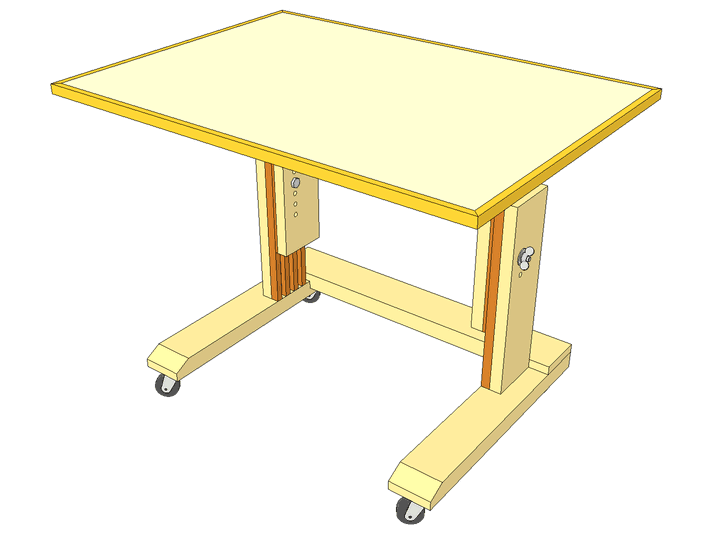 Horizontal parts of the legs: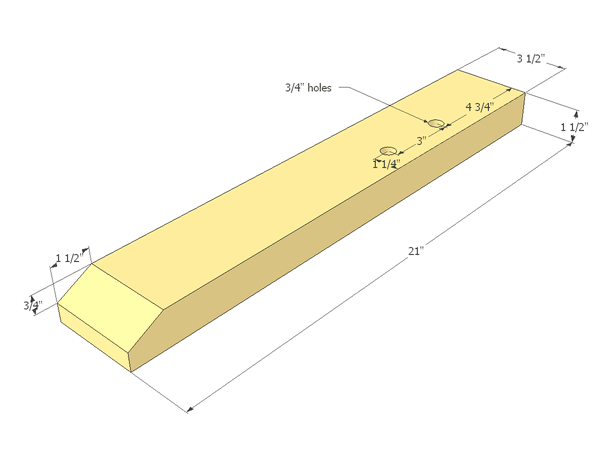 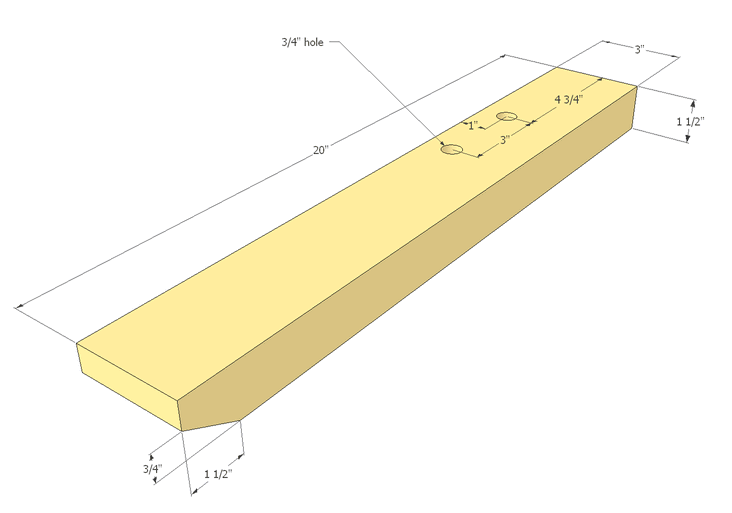 |
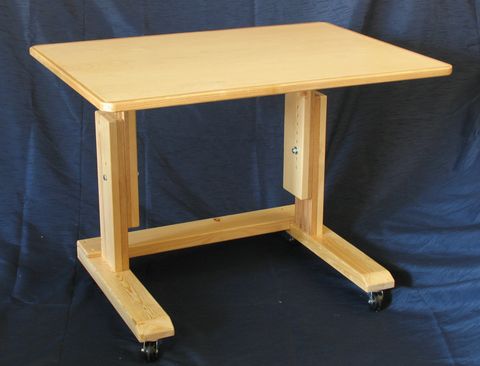
Height adjustable laptop table (wheely desk)
This is a copy of the article I wrote for the March 2007 issue of Woodcraft MagazineI had originally written a Shorter article for my website. This article is on a refined version of the design that I built while writing the article for woodcraft magazine.
|
Friday, February 19, 2016
Biscuit joinery without a biscuit joiner
Cutting biscuit slots

Cut slots for biscuits with a slot cutter mounted on an arbor that's equipped
with a bearing. Cut a continuous slot on boards thicker than 3/4 in.
There are two situations where a router can't substitute for a biscuit joiner: A router can cut slots only along the edges of a board, not across its face; and it can only cut along square edges, not beveled ones. Most slot cutters cut slots about 1/2 in. deep, which suits No. 20 biscuits. If you want to use smaller biscuits, buy a kit that includes three bearing sizes for No. 0, No. 10 and No. 20 biscuits (available online and at woodworking stores).
source: http://www.familyhandyman.com/tools/routers/advanced-router-techniques/view-all
Friday, February 12, 2016
Friday, February 5, 2016
Wednesday, February 3, 2016
Wednesday, November 4, 2015
Zebra wood shelving


https://picasaweb.google.com/108555207086211340308/20110531ZebrawoodShelving#5614081304827160626
Thursday, October 29, 2015
Saturday, October 24, 2015
Favorite Table Saw Push Stick

The push stick you use with your table saw is an integral part of the safety system that helps keep you out of harm’s way. As such, don’t take the lowly push stick for granted. There are numerous push stick styles and designs, some shop-made and others store-bought, but in my view, not all push sticks offer the same level of safety.
Pictured is the style push stick I’ve relied on for years. It’s made from 3/4″ hardwood plywood and is about a 12″ long and 6″ wide (from the bottom to top of the handle). I keep a 3/8″ heel near the back on the bottom to hook the wood that’s being pushed along. I don’t apply any sort of finish so it grips well. I route a 1/4″ round-over everywhere except the bottom where it contacts the wood when in use. The grip or handle is angled forward slightly so my wrist is in a comfortable position. Those are the comfort/ergonomic reasons I like this style.
Monday, October 19, 2015
Tuesday, October 13, 2015
Thursday, October 8, 2015

Tuesday, October 6, 2015

Subscribe to:
Posts (Atom)